







Unified Data Architecture
Unified Data Architecture
Customer accounts, opportunities, orders, and financial records must follow structured data models to maintain consistency across systems.

Real-Time Data Synchronization
Real-Time Data Synchronization
Bidirectional data synchronization ensures updates in Salesforce and NetSuite remain aligned across sales, finance, and operational teams.

Quote-to-Cash Alignment
Quote-to-Cash Alignment
Salesforce CPQ, order management, and ERP financial workflows must operate within a connected framework to support seamless revenue processes.

Integration Governance
Integration Governance
API frameworks, data validation rules, and monitoring controls ensure stable integrations and prevent operational disruptions.

Executive Revenue Visibility
Executive Revenue Visibility
Unified dashboards provide leadership with real-time insight into pipeline performance, order fulfillment, and revenue outcomes.

Integration Strategy & Discovery
Business workflows, revenue processes, and system dependencies are mapped before integration design begins.

Data Model Alignment
Customer records, product catalogs, pricing structures, and financial data models are standardized across CRM and ERP systems.

Integration Architecture Design
API frameworks, middleware strategies, and synchronization logic are structured to ensure secure and reliable system connectivity.

Implementation & System Synchronization
Salesforce and NetSuite environments are connected through governed integration layers that maintain consistent data flows.

Monitoring & Optimization
Integration performance, synchronization accuracy, and operational workflows are continuously monitored and refined.
Salesforce–NetSuite Integration Technology Ecosystem
- Core Platforms : Salesforce Sales Cloud, NetSuite ERP, Data Cloud
- Integration Layer : MuleSoft, API-led connectivity, middleware integration frameworks
- Revenue Operations Alignment Salesforce CPQ, order management : workflows, ERP financial synchronization
- Analytics & Intelligence : CRM Analytics dashboards, financial reporting alignment, revenue performance visibility
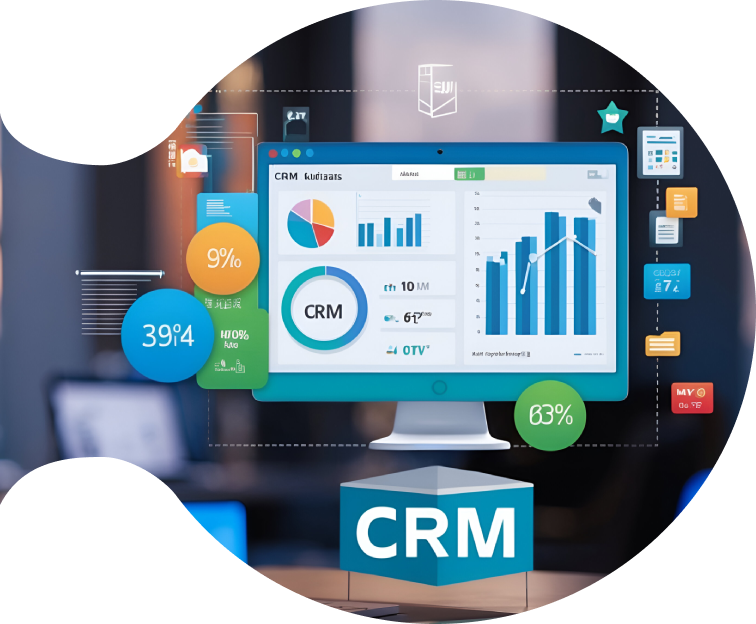


Real-Time Revenue Visibility
Sales and finance teams gain unified insight into pipeline, orders, and financial performance.
Faster Quote-to-Cash Processes
Integrated workflows reduce delays between deal closure, order creation, and financial processing.
Reduced Data Reconciliation
Automated synchronization eliminates manual data reconciliation across CRM and ERP environments.
Improved Financial Forecasting
Unified revenue data strengthens forecasting accuracy and financial planning.
Scalable System Governance
Structured integration architecture supports organizational growth while maintaining data consistency.
Salesforce Integration Expertise
Certified Salesforce architects design integration frameworks aligned with operational workflows and governance standards.

Architecture-Driven Integration
CRM–ERP integrations are built on structured data models and governed API frameworks rather than fragile point-to-point connections.